Source Hanging Neck Veterinary Examination Gloves for AI, Vet, and OB
Find 27 hanging neck veterinary examination gloves from Chinese manufacturers. Compare PE material options, thicknesses from 20 microns, and packaging styles for AI, veterinary, and OB applications. Request quotes for OEM customization; compare the available evidence and request quotations based on your requirements.
Key considerations
Products List


Comprehensive Sourcing Guide
Hanging Neck Veterinary Examination Gloves Sourcing Guide
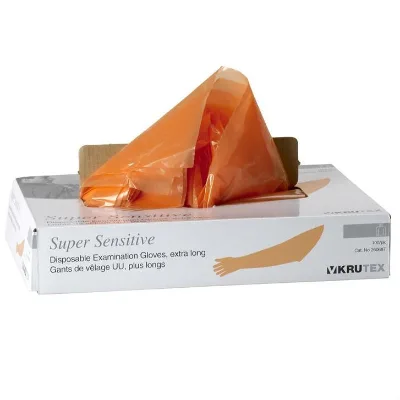
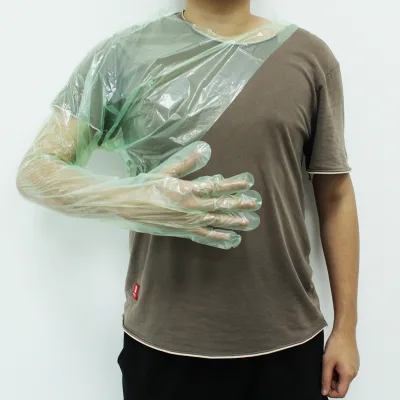
Procuring hanging neck veterinary examination gloves requires a strategic approach that balances specialized design features with rigorous material verification. These gloves are engineered specifically for animal care, insemination, and cleaning tasks, offering a unique neck-hanging mechanism that prevents contamination and keeps hands clean during procedures. Buyers must prioritize suppliers who demonstrate clear customization capabilities, as the veterinary sector often demands specific lengths, thicknesses, and packaging configurations to meet operational efficiency standards.
The sourcing landscape for these products is diverse, with manufacturers offering various models ranging from standard polyethylene constructions to more specialized virgin material options. It is essential to evaluate the raw material quality, ensuring that products are made from new polyethylene or LDPE to guarantee safety and durability. Additionally, understanding the supply chain dynamics, such as daily supply abilities and packaging methods, helps in planning inventory levels and ensuring consistent availability for high-volume veterinary clinics and breeding facilities.
Product Scope and Observed Listing Signals
The market for hanging neck veterinary gloves presents a wide range of product variations, with observed listings indicating a price range of zero to twenty-three US dollars and minimum order quantities spanning from fifty to one hundred thousand pieces. This broad spectrum suggests that buyers can find options suitable for both small-scale private practices and large industrial breeding operations. The presence of OEM acceptance across multiple listings indicates that branding and custom packaging are common expectations, allowing clinics to maintain professional identity while sourcing cost-effective protective gear.
Key product attributes observed include lengths ranging from eighty-five to ninety-nine centimeters, with thicknesses typically around twenty microns, though some listings specify a broader range of six to one hundred twenty microns. These dimensions are critical for ensuring adequate coverage and protection during veterinary procedures. The gloves are available in various colors, including transparent, red, pink, black, yellow, blue, and white, with transparent and red being particularly common. Buyers should verify these specifications against their specific operational needs, as longer lengths and specific thicknesses may be required for certain invasive or messy procedures.
Technical Specifications to Verify
When evaluating technical specifications, buyers must confirm the material composition, as some suppliers offer gloves made from one hundred percent virgin material, while others may use recycled or blended polyethene. The surface texture is another critical factor, with options available in smooth or embossed finishes to enhance grip and prevent slippage during delicate tasks. Additionally, the elongation properties, such as the observed four hundred percent elongation, indicate the flexibility and durability of the gloves, which is vital for ensuring comfort and protection during extended use in veterinary settings.
Packaging and weight per piece are also important technical details that impact logistics and usability. Listings show packaging options such as fifty pieces in a bag or one hundred pieces in a box, with some suppliers offering standard export cartons for bulk shipments. The weight per piece varies from one point zero to one point four grams, which can influence shipping costs and storage requirements. Buyers should verify these details to ensure that the packaging aligns with their distribution channels and that the glove weight provides sufficient durability without being overly bulky.
Compliance and Safety Documentation
While specific certification statuses are not explicitly confirmed in all listings, buyers should prioritize suppliers who adhere to recognized quality management standards, such as ISO one thousand three hundred forty-eight, which is relevant for medical and veterinary supplies. It is crucial to request documentation that verifies the gloves meet safety standards for direct contact with animals and biological materials. Buyers should also inquire about compliance with regional regulations, such as ASTM D six thousand three hundred nineteen, to ensure that the products are suitable for their intended use and market.
Safety documentation should also include information on the biodegradability of the gloves, as some listings highlight this feature, which may be important for environmentally conscious clinics. Buyers should verify the disposal requirements and environmental impact of the materials used, ensuring that the gloves align with their sustainability goals. Additionally, requesting test results for tensile strength and puncture resistance can provide assurance that the gloves will perform reliably under the stresses of veterinary procedures, protecting both the animal and the handler.
Cost Drivers and Commercial Terms
Several factors influence the cost of hanging neck veterinary gloves, including the raw material quality, thickness, and packaging complexity. Suppliers offering one hundred percent virgin material and custom packaging options may charge a premium compared to those providing standard polyethylene gloves in basic packaging. Buyers should also consider the minimum order quantity, as larger orders often result in lower per-unit costs, but may require significant storage space and capital investment. Understanding these cost drivers helps in negotiating favorable terms and selecting the most economical option for their specific needs.
Commercial terms such as supply ability and lead times are also critical considerations. Some suppliers boast a supply ability of three million pieces per day, which is beneficial for large-scale procurement but may require careful planning to manage inventory levels. Buyers should clarify payment terms, shipping methods, and return policies to avoid unexpected costs or delays. Additionally, negotiating for sample orders before committing to large purchases can help verify product quality and ensure that the supplier can meet the required specifications and delivery schedules.
Supplier Qualification and Quality Control
Evaluating supplier qualification involves assessing their manufacturing capabilities, quality control processes, and track record in the veterinary supply market. Buyers should request information about the supplier’s production facilities, including their adherence to good manufacturing practices and their ability to maintain consistent product quality. It is also important to verify the supplier’s experience in producing hanging neck gloves, as this specialized design requires specific molding and assembly techniques that may not be standard in general glove production.
Quality control measures should include regular inspections of raw materials, in-process checks during manufacturing, and final product testing before shipment. Buyers should inquire about the supplier’s defect rate and their procedures for handling non-conforming products. Additionally, requesting references or case studies from other veterinary clients can provide insight into the supplier’s reliability and customer service. Establishing a clear communication channel with the supplier’s quality assurance team can help address any issues promptly and ensure that the products meet the required standards.
Long-Term Procurement Checks
Establishing long-term procurement relationships with hanging neck veterinary glove suppliers requires ongoing monitoring of product quality, pricing stability, and supply chain resilience. Buyers should conduct periodic audits or reviews of the supplier’s performance, including delivery times, product consistency, and responsiveness to issues. It is also important to stay informed about changes in raw material costs and market trends that may impact pricing and availability, allowing for proactive adjustments to procurement strategies.
Continuous improvement initiatives, such as exploring new product features or sustainable materials, can help keep the procurement strategy aligned with evolving veterinary care standards. Buyers should maintain open dialogue with suppliers to discuss potential innovations, such as enhanced grip textures or eco-friendly packaging options, that could benefit their operations. By fostering a collaborative relationship, buyers can ensure a steady supply of high-quality hanging neck veterinary gloves that meet their clinical and operational needs over the long term.
FAQs
What customization options are available for these gloves?
Customization is available for these hanging neck veterinary examination gloves. Buyers can request specific colors like transparent or red, and OEM packaging options such as 50 pieces in a bag or 100 pieces in a box are accepted to meet unique branding needs.
How thick are the standard polyethylene veterinary gloves?
The standard thickness for these gloves is 20 microns. Some product listings also indicate a thickness range from 0.004mm to 0.025mm, allowing for selection based on specific durability requirements for veterinary or animal insemination applications.
Which materials are used to manufacture these disposable gloves?
These gloves are manufactured from new polyethylene material, specifically LDPE or virgin polyethylene. This ensures the product is safe for veterinary use while maintaining the necessary flexibility and protection required for cleaning and examination procedures.
Can I order these gloves with a specific length?
Yes, you can order these gloves with specific lengths. Available specifications include a fixed length of 99 cm or a range between 85 cm and 99 cm, ensuring the hanging neck style fits various veterinary examination needs effectively.
What is the minimum order quantity for these gloves?
The minimum order quantity varies significantly depending on the supplier and packaging configuration. Observed MOQs range from 50 pieces up to 100,000 pieces, allowing flexibility for both small veterinary clinics and large-scale industrial animal care operations.
How are these gloves packaged for export?
These gloves are packaged in standard export cartons. Common configurations include 50 pieces per bag or 100 pieces per box, with bulk shipments often containing 10,000 pieces per carton to ensure safe transport and organized inventory management.
Are these gloves suitable for all age groups?
Yes, these disposable products are designed for all age groups. They are versatile enough for use in veterinary settings, animal insemination, and general pet cleaning, providing a reliable barrier for handlers of any age working with animals.